
Markets
Five markets. One where a miss multiplies.
We estimate for US electrical contractors across five building types, on both hard bid and design-build, including power distribution, lighting and lighting controls, and low voltage scopes.
The five markets
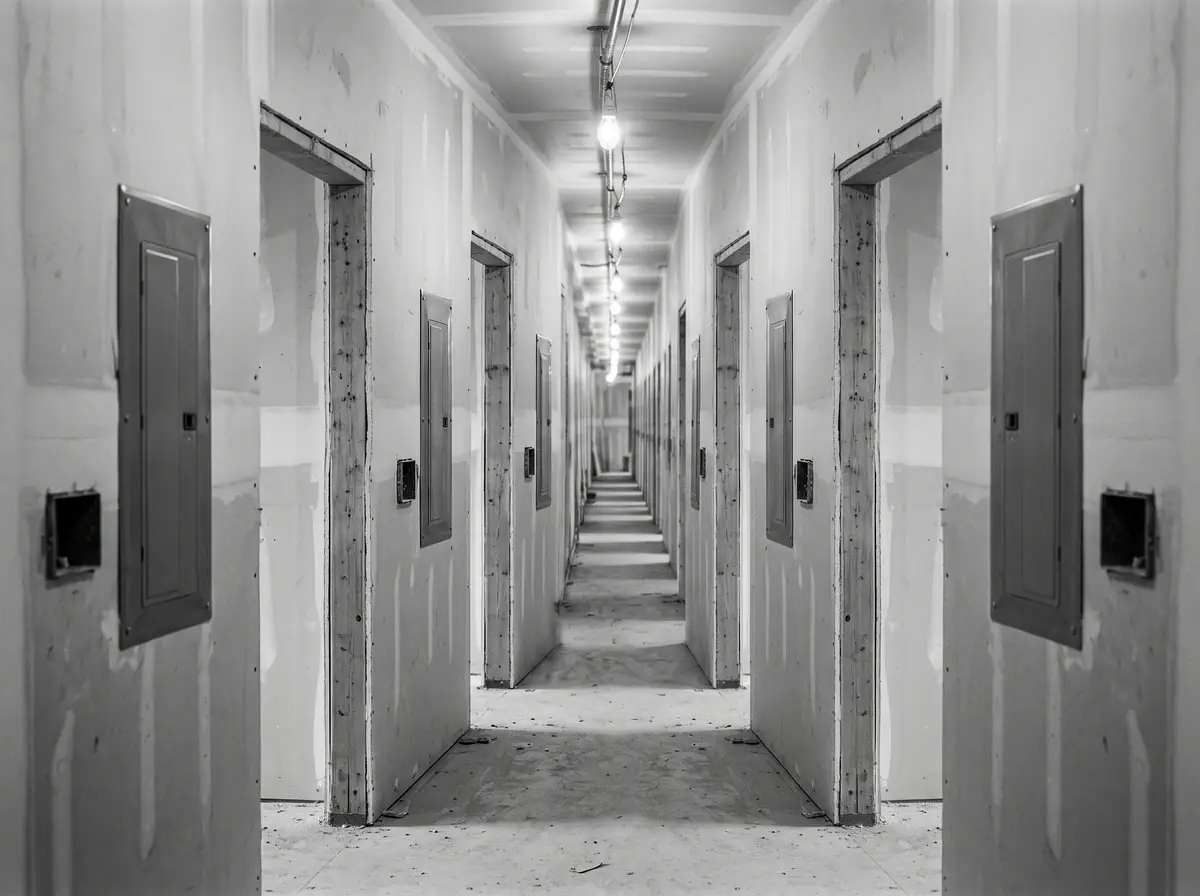
Multifamily & high-rise residential
Where one mistake multiplies.
Miss a fixture type on the typical unit plan and you have missed it two hundred times before anyone notices. So the work here goes past counting: unit-by-unit takeoffs, panel schedules, riser diagrams, lighting controls, and the conflicts that only appear when the typical unit meets the real building. We verify the design while we estimate it.
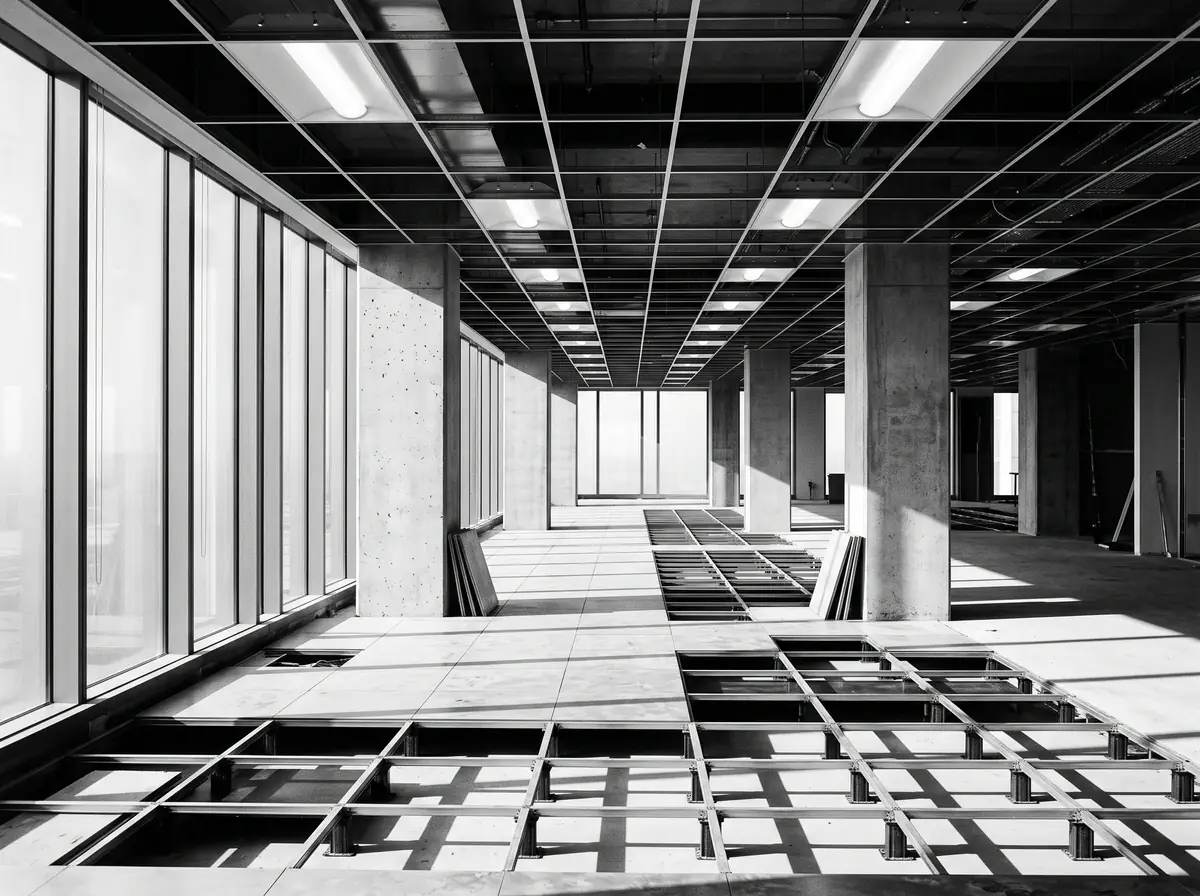
Commercial & office
Tenant work that keeps changing.
Core and shell, tenant improvements and fit-outs, where the scope moves between the bid set and the permit set. Power distribution, lighting and lighting controls, and the low voltage scopes that get quietly assigned to the electrical contractor if nobody reads the specs closely.
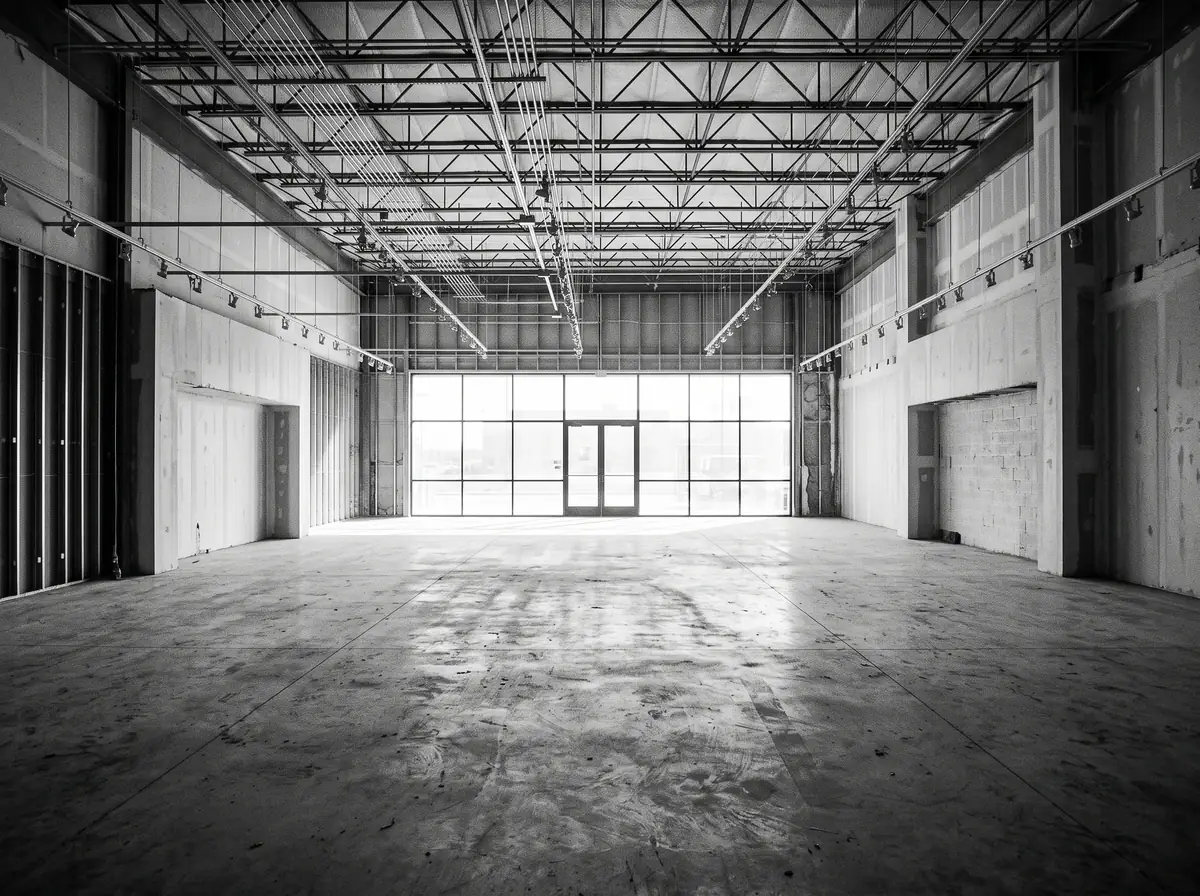
Retail
Repeatable, and unforgiving on schedule.
Store build-outs and rollouts where the same prototype lands in twenty different shells. The value is in getting the base package right and then tracking what each site changes, rather than pricing every location from zero.
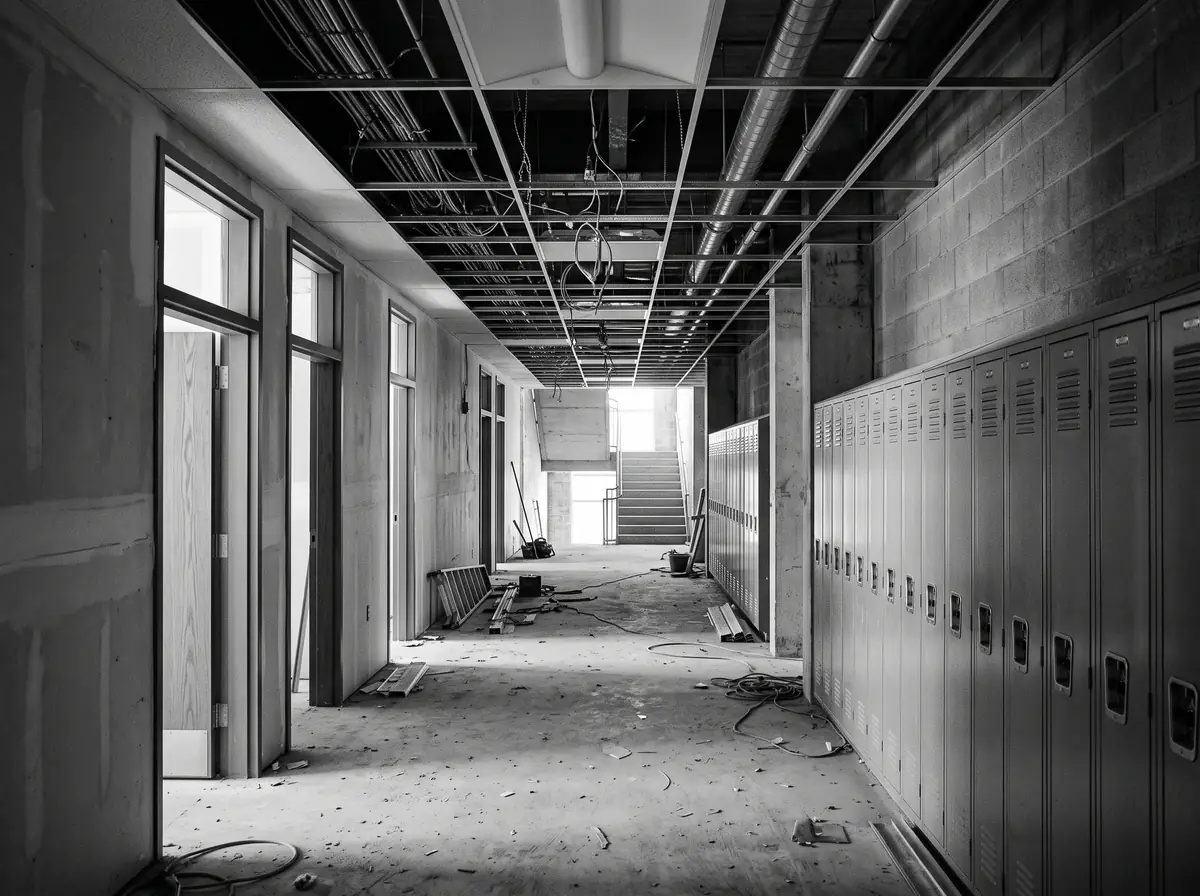
Education
Public work, public scrutiny.
Schools and campus buildings, usually hard bid, usually with a documentation trail that has to hold up. Code compliance against the NEC and local amendments matters here in a way it does not always elsewhere, and so does a scope letter that states exactly what is and is not included.
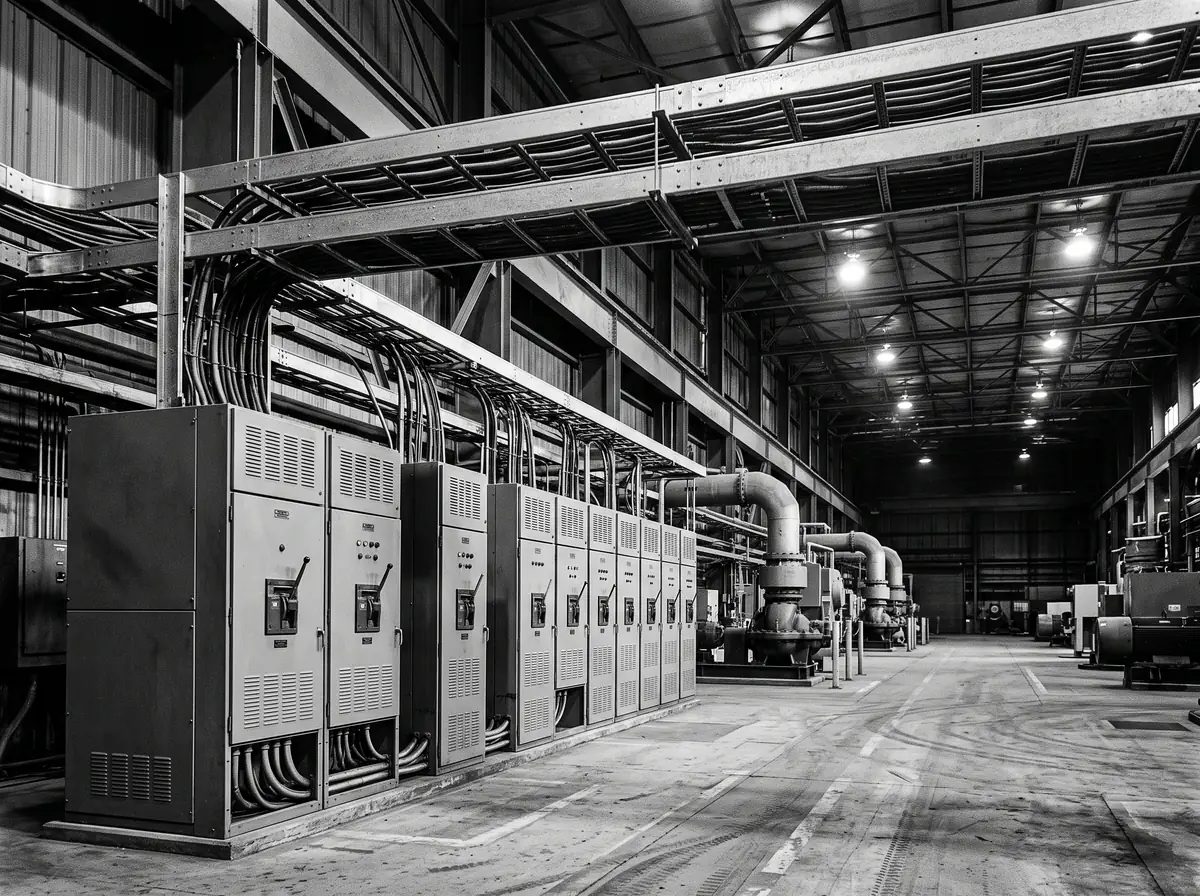
Industrial & manufacturing
Process loads and heavy distribution.
Plants and manufacturing facilities where the electrical scope is driven by equipment rather than by architecture. Heavier distribution, longer lead times on gear, and coordination against process drawings that arrive on their own schedule.

Hard bid and design-build
Two ways in, same discipline
On hard bid the clock rules. There is a set, a date, and a number that has to be right the first time. We commit a delivery date against your bid date on the discovery call and hold it, and addenda during the bid period are absorbed against that date.
On negotiated and design-build work the drawings keep moving, so the job is different: budget development early, quantities tightened as the design develops, alternates priced with the cost impact attached, and change orders argued against the original estimate rather than against memory.
Whichever it is, the same assigned engineers stay on your account. That is what lets the second bid move faster than the first.
Common questions
Answers on building types and scopes
Which markets does PanAmerican estimate for?
Five: multifamily and high-rise residential, commercial and office, retail, education, and industrial or manufacturing. PanAmerican Engineering Solutions has completed 700 projects and bids across those markets for US electrical contractors since 2020.
Do you estimate hard bid or design-build work?
Both. On hard bid the delivery date is committed against your bid date on the discovery call and addenda are absorbed against it. On negotiated and design-build work the job is budget development early, quantities tightened as the design develops, alternates priced with the cost impact attached, and change orders argued against the original estimate.
Which electrical scopes do you take off?
Power distribution, lighting and lighting controls, and low voltage scopes, which are the ones quietly assigned to the electrical contractor when nobody reads the specs closely. On industrial work the scope is driven by equipment rather than architecture, so it also covers heavier distribution and coordination against process drawings.
Why is multifamily estimating different?
Because repetition multiplies a single mistake. Miss a fixture type on the typical unit plan and you have missed it two hundred times before anyone notices. So the work goes past counting: unit-by-unit takeoffs, panel schedules, riser diagrams and lighting controls, with the design verified while it is estimated.
Are there project types you will not take?
PanAmerican has not ruled out a building type. The real filter is the schedule rather than the sector: the team works Monday to Friday, 8 to 5, and does not take weekend or overnight rush bids. If your bid date leaves a workable window, the market itself is rarely the obstacle.
Tell us which markets you chase
On the discovery call we look at your bid volume and the building types you go after, and work out what we would staff. An NDA is ready if you want one signed before anything else.
or write to contacto@panamericanes.com